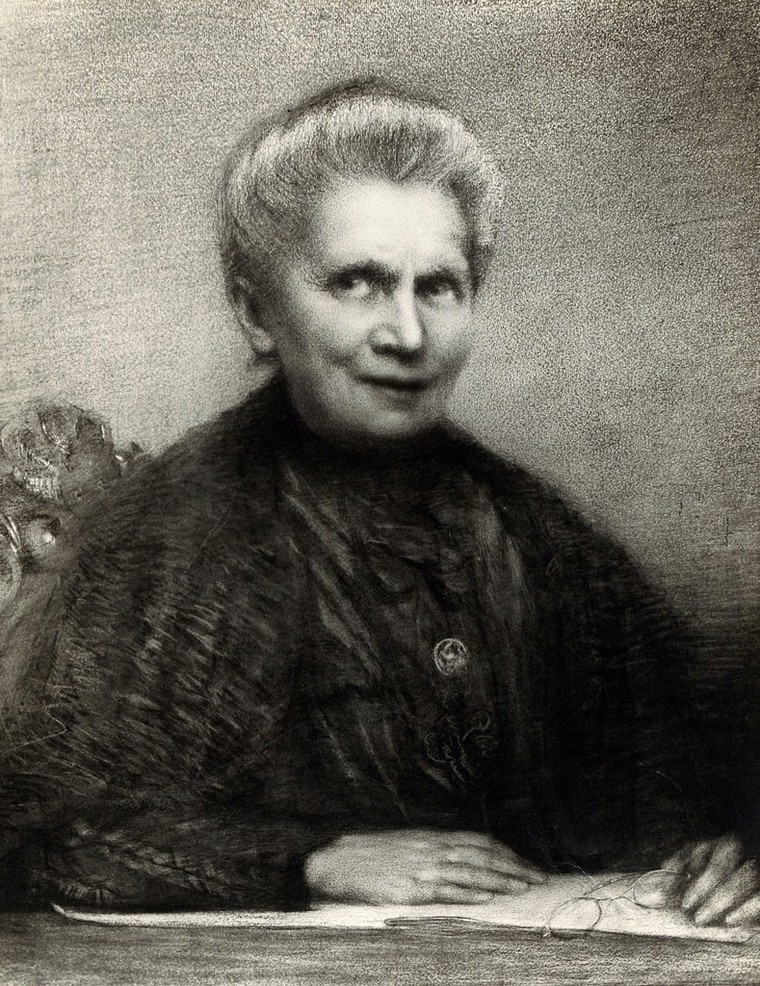
Learn different. · Marie Curie · 1867–1934
Warsaw, Paris and an open question.
In Warsaw, Marie Skłodowska learned physics and chemistry from her father. In 1891 she moved to Paris to study at the Sorbonne. What would you investigate if you had access to a lab?
Your experiment
Paper, a pencil and two minutes
Where does an ice cube melt faster? Plan a comparison between sun and shade. Write down what you would measure and what you would keep the same for both ice cubes.
A question to take further
What observation would make you change your prediction?
Marie Curie · 1867–1934
She made her own path to knowledge.
Marie Skłodowska grew up in Warsaw in a family of teachers. Her father gave her her first insights into physics and chemistry. At the time, women could not pursue higher education there, and she lacked the money to go to Paris. She made an agreement with her sister Bronya: Marie would work as a governess and support Bronya’s medical studies. Then Bronya would help her study in turn. Together, they created a possibility that had initially seemed out of reach.
Marie moved to Paris in 1891. She studied physics and mathematics at the Sorbonne. Years of work and continued learning lay behind that move. Her scientific career began with curiosity, mutual support and a concrete path to education. Later, she researched with Pierre Curie in difficult conditions: their laboratory was poorly equipped, and both had to teach as well to earn a living.
Her investigations built on Henri Becquerel’s discovery of radioactivity. Pitchblende emitting more radiation than uranium led Marie and Pierre Curie to other substances: polonium and radium. In 1903, Marie received the Nobel Prize in Physics alongside Pierre Curie and Becquerel; the Nobel Prize in Chemistry followed in 1911. Behind those awards lay education, careful research and collaboration, and a learning journey that had begun long before her first laboratory.
- 1891
- Starting university in Paris
- 1903
- Nobel Prize in Physics with Pierre Curie and Henri Becquerel
- 1911
- Nobel Prize in Chemistry
The product views show Clarity Next in development. The Personal Tutor is planned for March 2027.
The learning approach in Clarity
One hint.
Your next thought.
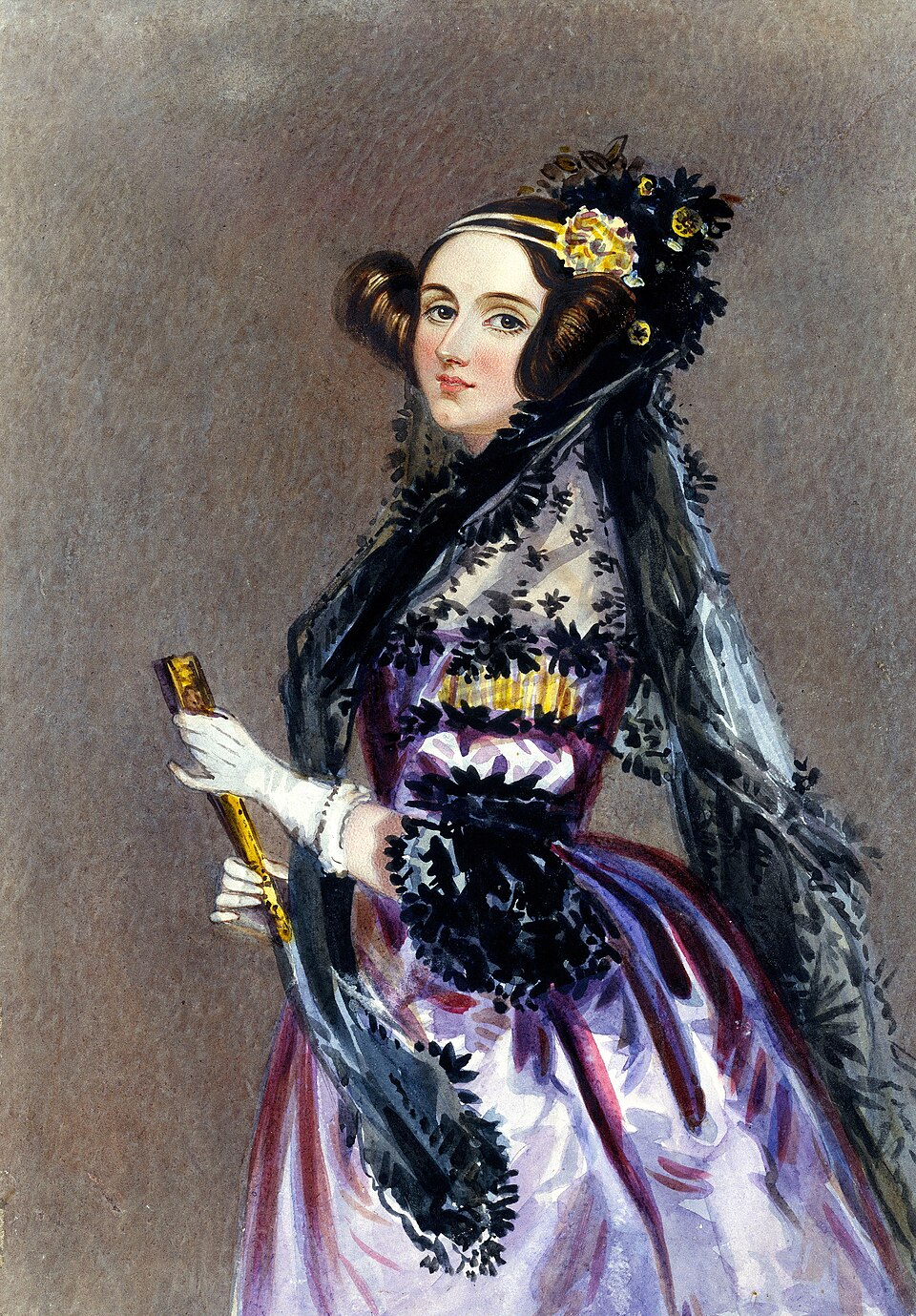
In Clarity, Ariadne is being designed to respond to your experiment plan. For the ice, she might ask how you would measure out two equal portions.

Other paths
A different question.
A fresh perspective.
Learn different.
Your question.
Your next step.
Register your interest in the personal tutor. Planned launch: March 2027.
No commitment. No purchase. We will notify you at launch.